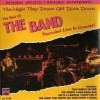
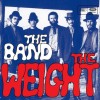
The Weight by the Rock Group The Band
Notable Cover Versions
"The Weight" became a favorite among musicians across several genres. Its gospel influences, memorable chorus, and universal subject matter made it particularly appealing to soul, R&B, country, and rock performers.
Jackie DeShannon: Recorded one of the early cover versions in 1968. Her recording helped demonstrate the song's commercial potential shortly after The Band released the original.
The Staple Singers: Recorded a particularly influential gospel-soul interpretation for their 1968 album Soul Folk in Action. Their arrangement emphasized the song's spiritual and communal qualities.
Aretha Franklin: Recorded the song in 1969, delivering a powerful soul interpretation featuring Duane Allman on slide guitar. Her version reached the Top 20 on the American singles chart.
Diana Ross and The Supremes with The Temptations: Recorded a version that brought together two major Motown acts and demonstrated the song's adaptability to a polished soul-pop arrangement.
Al Kooper and Mike Bloomfield: Also explored the song musically, demonstrating its appeal to musicians interested in improvisation and blues-based arrangements.
Over the years, numerous other artists have recorded the song, making it one of the most frequently interpreted compositions associated with The Band.
The Weight And The Last Waltz
One of the most memorable performances associated with "The Weight" appears in the 1978 concert film The Last Waltz, directed by Martin Scorsese.
The performance features The Band alongside members of The Staple Singers, including Mavis Staples and her father, Pops Staples.
The combination of The Band's roots-rock instrumentation and the Staple Singers' gospel harmonies creates a particularly moving interpretation of the song.
An interesting historical detail is that this performance was filmed on an MGM soundstage after the main concert rather than being part of the original concert itself.
The performance became one of the most beloved musical moments associated with The Last Waltz, further strengthening the song's reputation as a masterpiece of American roots music.
Critical Reception And Musical Legacy
"The Weight" has consistently been recognized as one of the finest recordings of The Band's career. Music critics and fellow musicians have praised its unusual storytelling, memorable melody, distinctive vocal arrangement, and timeless musical character.
The song was included in Rolling Stone magazine's influential list of the 500 Greatest Songs of All Time. It appeared at number 41 in the 2004 edition and number 58 in the revised 2021 edition.
Its reputation has continued to grow over the decades, and it is frequently cited as an important example of how traditional American musical influences can be combined with contemporary rock songwriting.
The song has also become a standard among musicians because its straightforward chord structure and memorable chorus make it particularly effective for live performances and group singalongs.
Why The Song Is So Special
There are several reasons why "The Weight" has remained popular for generations.
- Memorable storytelling: The lyrics create a fascinating sequence of characters and events that listeners can interpret in different ways.
- Universal themes: The song addresses responsibility, friendship, compassion, and the burdens associated with human relationships.
- Distinctive vocals: The combination of Levon Helm, Rick Danko, and Richard Manuel creates a unique vocal personality.
- Gospel influences: The piano, organ, and vocal harmonies give the song a spiritual quality without making it exclusively religious.
- Organic instrumentation: The musicians play together with a natural, relaxed feeling that gives the recording warmth and authenticity.
- Timeless appeal: Its themes remain relevant regardless of the generation listening to it.

Interesting Facts And Trivia
- Robbie Robertson reportedly developed the basic structure of the song in approximately 45 minutes.
- The opening reference to Nazareth was inspired by the label inside Robertson's Martin acoustic guitar.
- The Nazareth in the song is Nazareth, Pennsylvania, not necessarily the biblical location.
- The song was initially considered a backup possibility during the recording of Music from Big Pink.
- The unusual piano and organ arrangement helped transform the recording into the version listeners recognize today.
- Rick Danko sings the verse involving Crazy Chester, while Levon Helm handles most of the other lead vocal passages.
- The Staple Singers' performance with The Band in The Last Waltz was filmed after the original concert.
- The original recording was featured in Easy Rider, although a different performance appeared on the film's commercial soundtrack album.
- Aretha Franklin's 1969 cover featured guitarist Duane Allman.
- The song has been interpreted by artists from many different musical backgrounds, particularly gospel, soul, rock, and country.