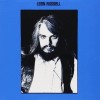
The Weight by the Rock Group The Band

Meaning Of The Song Title
The title "The Weight" refers to the emotional, moral, and practical burdens that people carry through their relationships and interactions with others.
Throughout the song, the traveler encounters people who ask him for assistance, introduce him to difficult situations, or leave him with responsibilities that were never part of his original mission.
The weight can therefore be understood as a metaphor for life's obligations, the expectations of other people, personal responsibility, and the difficulties involved in trying to help everyone.
However, the chorus introduces an important twist. Rather than simply complaining about the burden, the narrator offers to take some of Fanny's burden upon himself. This suggests that helping others and sharing their difficulties can also be an expression of love, friendship, and compassion.
Story And Lyrical Interpretation
The song follows a first-person narrator who arrives in Nazareth feeling exhausted. He needs somewhere to rest, but his journey quickly becomes a series of strange encounters.
The narrator has apparently been sent by Fanny to visit some people and pass along her greetings. However, these encounters do not go as planned.
The traveler arrives in Nazareth: The narrator begins his journey in an exhausted condition and attempts to find a place to sleep. His arrival establishes the song's weary, wandering atmosphere.
The encounter with Carmen: He meets Carmen, who is walking with the Devil. Carmen must leave, but her companion is allowed to remain. This introduces the song's strange mixture of everyday conversation and surreal imagery.
The encounter with Miss Moses: The narrator encounters a woman named Miss Moses, who does not have anything to say to him. The reference continues the song's biblical imagery and mysterious collection of characters.
The encounter with Luke: He meets Luke, who is waiting for the Judgment Day. This introduces another religious reference and reinforces the song's unusual atmosphere.
The encounter with Crazy Chester: Chester offers the narrator a place to stay if he will look after his dog. The traveler agrees, but the arrangement adds yet another responsibility to his already complicated journey.
The return journey: Eventually, the narrator decides that he has taken on enough responsibilities. He leaves Nazareth and heads back toward Fanny, the person who originally sent him there.
The storyline is intentionally unusual and open to interpretation. Rather than providing a straightforward narrative with a clearly defined conclusion, Robertson creates a series of memorable encounters that resemble a modern folk tale.
What Does "Take A Load Off Fanny" Mean?
The chorus is the most recognizable part of the song. Its repeated invitation to take a load off Fanny introduces the central idea of sharing another person's burdens.
The name Fanny is generally understood to refer to the woman who originally sent the narrator on his errand. She is the person to whom the narrator ultimately intends to return.
The chorus creates an interesting contrast with the verses. In the verses, the traveler becomes increasingly overwhelmed by the requests and responsibilities of other people. In the chorus, however, he willingly offers to take on someone else's burden.
This contradiction is part of what makes the song so compelling. The narrator complains about the weight of responsibility but continues to demonstrate a willingness to help others.
Some listeners interpret the chorus as a statement about unconditional friendship and generosity. Others hear a religious message about compassion, sacrifice, and the responsibility to help those who are struggling.

Musical Composition And Arrangement
Musically, "The Weight" combines elements of folk rock, country, gospel, blues, and traditional American roots music. Its arrangement is relatively simple, but the musicians create a rich and distinctive atmosphere through their individual performances.
The song begins with acoustic guitar, establishing a relaxed, almost conversational foundation. Levon Helm's drums gradually enter, adding a steady rhythmic pulse that gives the recording a sense of forward movement.
The piano and organ provide much of the song's distinctive character. Their gospel-inspired passages add warmth and emotional depth, particularly during the transitions between the verses and chorus.
The vocal arrangement is another major strength. Rather than relying on a single dominant singer throughout, The Band uses multiple voices to create a communal, conversational quality.
The staggered vocal harmonies near the end of the chorus are especially memorable. The singers enter at slightly different moments, creating a layered effect that builds anticipation before the final line.