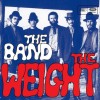
The Weight by the Rock Group The Band
Musicians And Instrumentation
Robbie Robertson: Acoustic guitar and songwriting. Robertson wrote the song and provided its central musical and lyrical framework.
Levon Helm: Drums and lead vocals. Helm's earthy, expressive Southern vocal delivery is one of the defining features of the recording.
Rick Danko: Bass guitar and vocals. Danko provides an important vocal contribution, including the memorable verse involving Crazy Chester.
Richard Manuel: Piano, organ, and vocals. Manuel's soulful vocal harmonies and keyboard contributions help give the recording its gospel-influenced character.
Garth Hudson: Organ and piano. Hudson's keyboard work adds distinctive melodic fills and much of the recording's rich musical texture.
John Simon: Producer. Simon helped shape the recording and capture the group's distinctive ensemble sound.
The Recording Sessions
"The Weight" was recorded in January 1968 at A&R Studios in New York City during the sessions for Music from Big Pink.
Interestingly, the song was not initially considered one of the strongest possibilities for the album. The group had experimented with several arrangements but had not found one that completely satisfied them.
Robbie Robertson later explained that the musicians regarded it as a possible backup song in case other material did not work out.
The breakthrough came when the musicians experimented with changing their usual keyboard arrangements. Garth Hudson played piano while Richard Manuel played organ, reversing their customary roles.
This relatively small adjustment helped create the arrangement that became the finished recording. The musicians recognized the song's potential when they listened back to the performance.
The recording captures the group's ability to play together as an ensemble rather than sounding like a collection of separately recorded performances. This organic approach became one of The Band's musical trademarks.
Album: Music From Big Pink
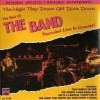
"The Weight" originally appeared on Music from Big Pink, the debut studio album by The Band, released in July 1968 by Capitol Records.
The album's title refers to the house known as Big Pink, located near Woodstock, New York, where the musicians lived and developed much of their distinctive musical approach.
The album helped introduce a different direction in popular music. Instead of emphasizing the heavily distorted guitars and psychedelic production that characterized much of the late 1960s, The Band embraced a more traditional sound rooted in American musical history.
"The Weight" appears as the final track on the first side of the original album, providing a memorable conclusion to the side.
Other notable songs on the album include "The Weight," "Chest Fever," "Tears of Rage," "To Kingdom Come," "In a Station," and "I Shall Be Released."
Single Release And Chart Performance
"The Weight" was released as a single in August 1968. Although it became one of the group's most recognizable recordings, it did not initially achieve the enormous commercial success that its later reputation might suggest.
Its reported chart performances included:
- United States: Number 63 on the Billboard Hot 100.
- United Kingdom: Number 21 on the singles chart.
- Canada: Number 35 on the national singles chart.
Despite its relatively modest American chart position, the song quickly gained recognition among musicians, critics, and music fans. Its influence and popularity grew considerably through radio airplay, cover recordings, and its appearance in popular films.

Appearance In Easy Rider
One of the most important events in the song's history was its association with the 1969 motion picture Easy Rider, starring Peter Fonda and Dennis Hopper.
The film became an important cultural landmark of the late 1960s, exploring freedom, counterculture, rebellion, and the changing American social landscape.
"The Weight" was featured in the film, accompanying a memorable sequence involving the motorcycle journey through the American Southwest.
There is an interesting detail concerning the recording used in the movie. The original Band recording was not licensed for the commercial soundtrack album. A group called Smith recorded a version closely resembling The Band's arrangement for the soundtrack release.
The film nevertheless helped introduce the song to a wider audience and strengthened its association with the spirit of the late 1960s.