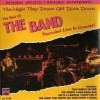
The Weight by the Rock Group The Band
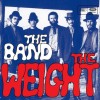
"The Weight" is one of the most celebrated and recognizable songs recorded by the Canadian-American rock group The Band. Released in 1968, the song became a defining recording of the late 1960s and helped establish The Band as one of the most influential groups in American roots rock, folk rock, and country rock. Its distinctive combination of acoustic guitar, gospel-inspired harmonies, country influences, and memorable storytelling has made it a timeless classic.
The song tells the unusual story of a weary traveler who arrives in a Pennsylvania town called Nazareth. While attempting to fulfill a simple request from a woman named Fanny, he encounters a series of colorful and mysterious characters who each seem to need something from him. What begins as an ordinary errand gradually becomes an increasingly complicated collection of responsibilities and favors.
Although the lyrics have a conversational, almost humorous quality, the song explores deeper themes of responsibility, friendship, compassion, sacrifice, human relationships, and the burdens people carry for one another.
About The Band
The Band was a highly influential rock group originally consisting of five musicians: Robbie Robertson, Levon Helm, Rick Danko, Richard Manuel, and Garth Hudson. Four members were Canadian, while drummer and vocalist Levon Helm was from Arkansas in the United States.
Before becoming known as The Band, the musicians performed under several names, including The Hawks, while backing rockabilly singer Ronnie Hawkins. They later gained additional recognition through their association with Bob Dylan, particularly during his controversial transition from acoustic folk music to electric rock in the mid-1960s.
The musicians eventually settled in the Woodstock, New York, area, where they developed a distinctive musical approach combining rock and roll, blues, country, folk, gospel, and traditional American musical influences.
Their debut album, Music from Big Pink, released in 1968, introduced their distinctive sound to a much wider audience. "The Weight" became one of the album's most enduring songs and remains among the group's signature recordings.
How The Song Was Written
"The Weight" was written by guitarist and songwriter Robbie Robertson. Interestingly, the song originated from an unexpected observation rather than a carefully planned songwriting session.
Robertson was sitting with his 1951 Martin D-28 acoustic guitar at a house near Woodstock, New York. While looking into the guitar's sound hole, he noticed the manufacturer's label identifying Nazareth, Pennsylvania, as the guitar's place of manufacture.
The word Nazareth immediately inspired the opening line of the song. Robertson began imagining a traveler arriving in Nazareth, and from that initial idea, he developed the unusual characters and situations that make up the lyrics.
According to Robertson, the basic structure and storyline of the song came together remarkably quickly, with the initial framework reportedly taking approximately 45 minutes to develop.
The geographical reference was particularly interesting because Nazareth is also the biblical hometown associated with Jesus Christ. Robertson enjoyed the contrast between the religious significance of the name and the ordinary American town in Pennsylvania.

Inspiration Behind The Song
One of the most interesting influences behind "The Weight" was the work of Spanish filmmaker Luis Buñuel. Robertson was fascinated by Buñuel's exploration of religious ideals, morality, human behavior, and the difficulties of trying to do good in an imperfect world.
Two films particularly associated with the song's inspiration are Nazarín (1959) and Viridiana (1961). Both films examine characters who attempt to live according to high moral or religious ideals but encounter the complicated realities of human behavior.
Robertson saw a similar concept in "The Weight." The narrator begins with a simple intention to help someone, but every encounter introduces another complication. His willingness to help gradually becomes an overwhelming responsibility.
The song also incorporates biblical imagery and references, including Nazareth, Moses, the Devil, and Judgment Day. These references contribute to its mysterious, almost biblical storytelling atmosphere.