Hurt by Artist Johnny Cash
Differences Between the Two Versions
Although both recordings share the same fundamental lyrics and composition, they create distinct emotional experiences.
- Nine Inch Nails: The original version emphasizes psychological distress, alienation, emotional numbness, and self-destructive impulses through a dark alternative industrial rock setting.
- Johnny Cash: The cover emphasizes mortality, regret, spiritual reflection, and the weight of a lifetime through acoustic instrumentation and a weathered vocal performance.
- Production: The original uses atmospheric rock textures, while Cash's arrangement is more stripped down and rooted in acoustic performance.
- Vocal character: Reznor's delivery conveys a more immediate sense of inner turmoil; Cash's voice suggests reflection and hard-earned experience.
- Emotional context: The original is closely associated with the themes of The Downward Spiral; Cash's version became strongly associated with the final chapter of his life.
Neither version cancels out the other. Instead, their differences demonstrate how interpretation, musical arrangement, and an artist's public identity can reshape the way listeners understand a song.
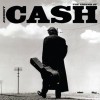
Album: American IV: The Man Comes Around
American IV: The Man Comes Around was released in 2002 and became one of the defining albums of Cash's later career. Produced by Rick Rubin, it continued the American Recordings approach of combining Cash's distinctive voice with carefully chosen songs from different genres and generations.
The album includes both original material and interpretations of songs associated with other performers. Its title track reflects Cash's engagement with religious imagery and apocalyptic themes, while the album as a whole explores mortality, faith, love, regret, and the human condition.
"Hurt" became one of the album's most widely recognized recordings, helping introduce Cash's later work to audiences who might not otherwise have explored his extensive catalog. Its success also demonstrated that an established artist could create a culturally significant recording by reinterpreting contemporary material rather than relying solely on familiar musical territory.

Awards and Recognition
The song and its music video received significant recognition. Johnny Cash's official website documents several major awards and nominations associated with the recording.
- 2003 MTV Video Music Awards: Won Best Cinematography; also received nominations in several other categories, including Video of the Year.
- 2003 Americana Music Association Awards: Won Song of the Year.
- 2003 Country Music Association Awards: Won Music Video of the Year and Single of the Year.
- 2004 Grammy Awards: The music video won Best Short Form Music Video.
- 2011 NME recognition: The video was recognized in the publication's Greatest Music Video of All Time feature.
These honors reflect the recording's impact across several musical communities. It was not simply recognized as a successful country recording; it was also celebrated for its cinematography, direction, and emotional storytelling.
Commercial and Cultural Impact
Cash's interpretation helped establish "Hurt" as one of the most memorable cover versions in modern popular music. The song brought together audiences from country, rock, alternative, and Americana traditions, illustrating how a familiar composition can cross genre boundaries when performed with conviction.
Its cultural influence comes from several connected elements:
- Cross-generational appeal: The song introduced younger listeners to Cash while encouraging longtime fans to revisit his later recordings.
- Genre-crossing interpretation: It showed how a song written within industrial rock could become a powerful acoustic country performance.
- Visual storytelling: The music video strengthened the association between the lyrics and Cash's personal legacy.
- Emotional authenticity: The performance demonstrates the expressive power of a distinctive voice and a carefully chosen song.
- Lasting relevance: Its themes of regret, loss, and the desire for a second chance remain understandable across generations.
The song is frequently discussed as an example of a cover version that became independently iconic. Its success rests not only on the reputation of the performer but also on the way his interpretation changes the listener's relationship with the material.