Hurt by Artist Johnny Cash
The Crown of Thorns
A particularly important difference between the original Nine Inch Nails recording and Cash's version appears in the second verse. Cash sings about wearing a "crown of thorns", replacing the original recording's more profane wording.
The change introduces a strong religious association. In Christian imagery, the crown of thorns recalls the suffering of Jesus Christ. In Cash's performance, the image can suggest guilt, sacrifice, spiritual anguish, and the burden of personal mistakes. It also fits the singer's longstanding engagement with Christian themes.
The line does not provide a single definitive explanation of the narrator's suffering. Instead, it adds a layer of spiritual symbolism to a song already concerned with pain, responsibility, and the possibility of change.
The Desire for a Second Chance
The closing lines express a longing to begin again and find a different path. Rather than offering an easy resolution, the song ends with the possibility of a better choice that may now be difficult or impossible to achieve.
This ending is especially powerful in Cash's performance because it can be heard as both a universal expression of regret and a reflection on the limitations of a human life. The narrator imagines the possibility of changing his course, but the song does not promise that the damage can be undone.

Why Johnny Cash's Version Feels So Personal
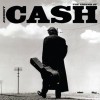
The song's meaning changed significantly for many listeners when Cash recorded it. In his later years, Cash had become an elder statesman of American music. His voice, physical appearance, and public history gave the song an emotional context that differed from the one surrounding Reznor's original performance.
Several factors contributed to this interpretation:
- Age and mortality: Cash's voice conveys the fragility of an older person confronting the limits of time.
- Personal history: His well-documented struggles and complicated life made the themes of regret and redemption especially compelling to audiences.
- Loss: The performance and accompanying video acquired additional significance because of the losses Cash experienced near the end of his life.
- Musical simplicity: The understated arrangement allows the emotional meaning of the song to emerge without elaborate production.
- Interpretive authenticity: Cash sounds as though he is reflecting on lived experience, even though he did not write the song.
It is important to distinguish interpretation from biography. The song's narrator is not necessarily Johnny Cash himself, and the lyrics should not automatically be treated as a literal account of his life. Nevertheless, the performance encourages listeners to connect its themes with Cash's experiences and the circumstances of his final years.
Trent Reznor's Reaction
Trent Reznor was initially uncertain about the idea of Johnny Cash recording his song. Cash's musical identity was very different from that of Nine Inch Nails, and the prospect of such a radical reinterpretation seemed unusual.
After seeing the finished video, however, Reznor was deeply affected by the performance. Accounts of his reaction describe how the recording and its visual presentation changed his understanding of the song. The sincerity of Cash's interpretation made it feel as though the material had acquired a new life.
This response illustrates one of the most remarkable aspects of the recording: the original songwriter recognized that another artist had transformed the work without diminishing its emotional truth. Cash's version did not erase the Nine Inch Nails original; it created a complementary interpretation that revealed different dimensions of the same composition.