Hurt by Artist Johnny Cash
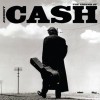
"Hurt" is one of the most emotionally powerful recordings of Johnny Cash's later career. Released in 2002 on the album American IV: The Man Comes Around, the song is a haunting interpretation of a composition originally written and performed by Trent Reznor's industrial rock band, Nine Inch Nails. Cash transformed the dark, introspective song into a deeply personal meditation on regret, mortality, loneliness, addiction, and the consequences of a life lived. His weathered voice and restrained delivery gave the song an extraordinary sense of vulnerability.
The Johnny Cash version is officially credited to Trent Reznor as songwriter. It appeared on Cash's celebrated American Recordings series, which frequently featured his distinctive interpretations of songs originally recorded by other artists.
The Origins of the Song
"Hurt" was originally written by Trent Reznor and recorded by Nine Inch Nails. The original version appeared on the band's 1994 album, The Downward Spiral, a concept album exploring themes of self-destruction, alienation, addiction, despair, and psychological collapse. The song was subsequently released as a single in 1995.
Reznor's original recording is characterized by its fragile vocals, atmospheric production, and gradually intensifying emotional tension. Within the context of The Downward Spiral, the song serves as a particularly vulnerable moment amid the album's darker industrial rock sound. Its themes of emotional numbness, self-inflicted pain, and regret are central to its impact.
Johnny Cash did not write the song, but his interpretation became so widely recognized that many listeners came to associate it more strongly with him than with its original creator. His version demonstrates how a song can acquire a substantially different emotional meaning when performed by another artist.
How Johnny Cash Discovered the Song
The idea to record "Hurt" came from producer Rick Rubin, who had been working with Cash on a series of stripped-down recordings that paired the country legend with material from a wide range of musical traditions. Rubin believed the song had the emotional power necessary for Cash's distinctive voice and interpretive style.
In a 2003 interview with TIME, Cash explained that Rubin introduced him to the song. Cash initially questioned whether it suited him, since it differed considerably from his familiar country sound. However, he eventually embraced the challenge and worked extensively on the performance. He recalled singing the song many times before recording it because he needed to make it his own.
Cash also interpreted the song as a powerful statement about the destructive effects of drugs. He described it as one of the best antidrug songs he had ever heard. This perspective helped shape his performance, which emphasizes the emotional consequences of destructive behavior rather than the aggressive sound of the original recording.

The Recording and Musicians
Cash's recording was produced by Rick Rubin and made in 2002. The performance is built around a sparse instrumental arrangement that leaves considerable space for Cash's voice and the meaning of the lyrics. The recording is approximately 3:38 long.
The documented recording personnel include the following musicians:
- Johnny Cash: Lead vocals
- Mike Campbell: Acoustic guitar
- Smokey Hormel: Acoustic guitar
- Benmont Tench: Organ, melodica, and piano
- Rick Rubin: Producer
The instrumentation is understated, allowing the performance to feel intimate rather than theatrical. The acoustic guitars provide a restrained foundation, while the keyboard instruments add subtle color and atmosphere. The arrangement never overwhelms Cash's vocal delivery.