The Night They Drove Old Dixie Down by The Band
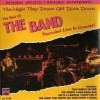
The Album; The Band (1969)
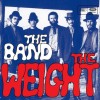
The song appeared on The Band's second studio album, The Band, released on September 22, 1969, by Capitol Records.
Often referred to as The Brown Album because of its distinctive brown-toned cover artwork, the record is widely considered one of the most important albums in the development of roots rock and Americana.
The album explores American history, rural life, working-class struggles, relationships, and the traditions of the American South. Its songs often feature fictional characters and narrative situations that resemble stories passed down through generations.
"The Night They Drove Old Dixie Down" is one of the album's defining compositions. Other notable songs include:
- Across the Great Divide
- Rag Mama Rag
- Up on Cripple Creek
- Whispering Pines
- Jupiter Hollow
- Rags and Bones
- Look Out Cleveland
- Jawbone
- The Unfaithful Servant
- King Harvest (Has Surely Come)
The album helped establish The Band as one of the most distinctive and influential groups of its generation. It remains a landmark recording in the history of American roots-oriented rock music.
Historical Accuracy and Interpretation
Although Robbie Robertson researched the Civil War extensively, the song should be understood as historical fiction rather than a documentary account.
Virgil Caine is a fictional character, and the events are arranged to create a compelling personal narrative. Some historical references are simplified or compressed, and the date associated with the fall of Richmond is inaccurate.
Another important consideration is that the song concentrates on the suffering of white Southern civilians and does not explore the experiences of enslaved African Americans, whose freedom was central to the historical consequences of the Union victory.
This distinction is important when interpreting the song. Its portrayal of an impoverished Southern narrator does not provide a complete account of the Civil War or the different experiences of the people who lived through it.
The song's achievement is its ability to create a believable fictional voice and evoke the emotional devastation of a historical moment without attempting to explain every aspect of the conflict.
Joan Baez's Famous Cover Version
One of the most famous recordings of "The Night They Drove Old Dixie Down" was made by American folk singer Joan Baez in 1971.
Baez's interpretation became a major commercial success and introduced the song to a much larger audience. Her version reached No. 3 on the American Billboard Hot 100 chart and No. 6 on the British singles chart.
Her recording was considerably different from The Band's original. Baez delivered the song with a more forceful and energetic vocal approach, transforming its restrained storytelling into a more dramatic folk-rock performance.
Interestingly, Baez reportedly learned the song by listening to The Band's album rather than working from an official printed lyric sheet. As a result, some of the words in her recording differ from the original lyrics.
Although her version was commercially successful, many fans and music critics continue to prefer Levon Helm's original performance because of its subtlety, emotional authenticity, and distinctive Southern character.

The Band and The Last Waltz
One of the most memorable performances of "The Night They Drove Old Dixie Down" came during The Last Waltz, The Band's celebrated farewell concert on November 25, 1976, at the Winterland Ballroom in San Francisco.
The concert was directed by filmmaker Martin Scorsese and featured an extraordinary collection of guest musicians, including Bob Dylan, Eric Clapton, Neil Young, Van Morrison, Joni Mitchell, and Muddy Waters.
The Band's performance of "The Night They Drove Old Dixie Down" is especially powerful because Helm delivers the song with the same emotional conviction that characterized the original recording.
The performance became an important part of the concert film and subsequent soundtrack album. For many fans, it represents one of the finest live performances in the group's history.
The Last Waltz also preserved the group's remarkable musical chemistry at a major turning point in its career.