The Night They Drove Old Dixie Down by The Band
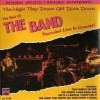
"The Night They Drove Old Dixie Down" is one of the most celebrated and emotionally powerful songs recorded by the Canadian-American rock group The Band. Written by guitarist and songwriter Robbie Robertson, the song tells the story of the American Civil War from the perspective of a poor Southern man whose life is devastated by the defeat of the Confederacy in 1865. Featuring a remarkable lead vocal by Levon Helm, the song combines historical storytelling, folk music, country influences, and deeply moving rock instrumentation to create a haunting portrait of a defeated South.
Originally released in 1969 on the group's second studio album, The Band, commonly known as The Brown Album, the song became one of the group's signature recordings. Its vivid historical imagery, memorable melody, and emotional storytelling have made it an enduring classic of American roots music, despite being written by a Canadian songwriter.
The Story Behind the Song
The inspiration for "The Night They Drove Old Dixie Down" came partly from Robbie Robertson's fascination with American history and his experiences traveling through the American South with The Band. Although Robertson was Canadian, he developed a strong interest in Southern American culture, its music, traditions, and history.
One particularly important influence was his relationship with Levon Helm, who grew up in Arkansas and was the only member of The Band born and raised in the American South. Robertson visited Helm's family in Marvell, Arkansas, where conversations about the Civil War and the history of the South helped inspire the song.
Robertson recalled that he initially had the melody and chord progression in his head without knowing what the song would be about. Eventually, the idea of telling a story about the final days of the Confederacy emerged. He then researched the Civil War, its geography, and its historical events before completing the lyrics.
Robertson spent several months developing the composition. He wanted the song to sound authentic, as though it had come directly from the historical period it described. His intention was to create a convincing first-person account of the suffering experienced by ordinary Southerners during the final days of the war.
He also had Levon Helm's voice in mind. Robertson believed Helm's Southern background and distinctive vocal delivery would bring an authenticity and emotional depth to the story that few other singers could achieve.
The Historical Background; The American Civil War
The song takes place during the final months of the American Civil War, which lasted from 1861 until 1865. The conflict was fought between the United States, commonly called the Union, and the Confederate States of America, which had seceded from the Union.
The Confederacy was ultimately defeated, bringing an end to its attempt to establish an independent Southern nation. The war was fundamentally rooted in the conflict over slavery, particularly the expansion and preservation of slavery, although it also involved disputes over federal authority, secession, and competing political and economic interests.
The song focuses on the devastation experienced by ordinary people in the South as Union forces destroyed transportation networks, disrupted communities, and brought the Confederate military effort to an end.
One important historical reference is General George Stoneman, a Union cavalry commander whose forces conducted raids through southwestern Virginia and surrounding areas during the final stages of the war. The destruction of railroad infrastructure was an important part of Union military operations because railroads were essential for transporting Confederate troops and supplies.
The song also references Richmond, Virginia, the Confederate capital. Richmond fell to Union forces on April 3, 1865, shortly before General Robert E. Lee surrendered his Army of Northern Virginia at Appomattox Court House on April 9, 1865.
An interesting historical detail is that the song's reference to Richmond falling on May 10 is not chronologically accurate. Richmond had already fallen in April. May 10, 1865, was instead the date Confederate President Jefferson Davis was captured in Georgia. The song uses historical references in service of its dramatic narrative rather than presenting a completely precise historical timeline.
The Main Character; Virgil Caine
The song is narrated by a fictional character named Virgil Caine, a poor white Southerner who has worked on the Danville railroad. He is not portrayed as a wealthy plantation owner or powerful Confederate politician. Instead, he represents an ordinary working-class Southerner whose life has been profoundly affected by the war.

Caine describes the destruction of the railroad, the hunger and poverty experienced by his family, and the death of his brother. His account provides a personal perspective on the collapse of the Confederacy.
His brother was killed during the conflict, and the family has been left struggling to survive. The narrator's memories of the war are filled with hardship, loss, and a sense of helplessness.
Through Virgil Caine, Robertson creates a character who represents the suffering of ordinary people caught up in a massive historical conflict. Rather than describing the war through generals, politicians, or military victories, the song concentrates on the human consequences of defeat.
This perspective is one of the reasons the song remains so emotionally effective. The listener experiences the collapse of the Confederacy through the eyes of someone who has lost his livelihood, his brother, and much of his former way of life.