You Can't Always Get What You Want by The Rolling Stones
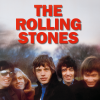
Live Performances
"You Can't Always Get What You Want" became an important part of the Rolling Stones' live repertoire. Its memorable chorus and gospel-inspired arrangement make it particularly effective in concert settings.
Live performances frequently feature a choir or group of backing singers to reproduce the distinctive vocal atmosphere of the original recording.
The song's extended structure also gives the band opportunities to build musical intensity and encourage audience participation. Thousands of fans singing the chorus together can transform the performance into a powerful communal experience.
One especially notable performance appeared in the Rolling Stones' 1968 concert film The Rolling Stones Rock and Roll Circus. The film was eventually released publicly in 1996, allowing audiences to experience an early performance of the song.
Legacy and Critical Reputation
"You Can't Always Get What You Want" is widely considered one of the Rolling Stones' finest recordings and one of the defining songs of their late-1960s period.
Its reputation comes from the combination of memorable songwriting, sophisticated production, emotional vocals, and an arrangement that successfully brings together rock and gospel influences.
The song has also appeared in discussions of the greatest songs in rock history. It was ranked number 100 in Rolling Stone magazine's 2004 list of the 500 Greatest Songs of All Time.
Its enduring popularity demonstrates how a relatively simple philosophical observation can become an extraordinary musical statement when supported by great songwriting and performance.
Why the Song Remains Relevant
More than five decades after its original release, the song continues to connect with listeners because its message is timeless. Everyone experiences disappointment, unexpected changes, missed opportunities, and situations in which life does not provide the outcome they hoped for.
The song offers a reminder that disappointment does not necessarily mean failure. Sometimes, what initially appears to be an unwanted outcome can lead to something more valuable or meaningful.
Its message also encourages perspective. People can become so focused on what they want that they overlook what they already have or what might genuinely improve their lives.
The combination of philosophical lyrics and uplifting gospel-influenced music makes the song both reflective and optimistic. It acknowledges life's difficulties without surrendering to pessimism.
Interesting Facts and Trivia
- Early recording: The song was one of the first tracks recorded for the Let It Bleed album, with sessions beginning in November 1968.
- Different drummer: Producer Jimmy Miller played drums on the recording instead of Charlie Watts.
- French horn: Al Kooper's French horn contribution is a distinctive feature of the introduction.
- Gospel choir: The London Bach Choir gives the recording much of its unique character.
- Two versions: The shorter single version runs approximately five minutes, while the album version runs approximately seven minutes and 28 seconds.
- Album closer: The song concludes Let It Bleed, providing a memorable ending to one of the band's most acclaimed albums.
- Political controversy: The song became part of a public dispute over the unauthorized use of Rolling Stones music during Donald Trump's 2016 presidential campaign.
- Universal message: Its central phrase has become a familiar expression in everyday conversation, far beyond the world of rock music.

Overall Assessment
"You Can't Always Get What You Want" is much more than a memorable rock song. It is an unusually thoughtful composition that combines philosophical observations about life with a magnificent musical arrangement.
Mick Jagger's expressive vocal performance, Keith Richards' songwriting, Al Kooper's instrumental contributions, Jimmy Miller's production, and the extraordinary choral arrangement all contribute to its lasting appeal.
The song's greatest achievement is its ability to communicate a complicated truth in a remarkably simple way. People cannot always control what happens to them, and they cannot always obtain everything they desire. Nevertheless, life can still provide experiences, relationships, and opportunities that turn out to be exactly what they need.
With its unforgettable chorus, distinctive gospel influence, and timeless message, "You Can't Always Get What You Want" remains one of the most important and recognizable songs in the Rolling Stones' extensive catalog.