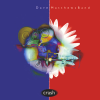
Layla and Other Assorted Love Songs by the British-American blues-rock group Derek and the Dominos

13. Layla
Songwriters: Eric Clapton and Jim Gordon.
"Layla" is the defining song of the album and one of the most recognizable recordings in the history of rock music.
The song combines one of the most famous guitar riffs ever recorded with emotionally intense lyrics and an extraordinary instrumental ending.
The first section is built around a powerful electric guitar riff developed through the interplay of Clapton and Duane Allman. Its urgent rhythm and dramatic melodic structure immediately establish the song's emotional intensity.
Clapton's vocal performance is passionate and desperate. The lyrics address a woman he loves, expressing the frustration and anguish of wanting a relationship that seems impossible.
The composition is widely understood as being inspired by Clapton's unrequited love for Pattie Boyd, although its literary inspiration also comes from the story of Layla and Majnun.
The song's most distinctive musical feature is its famous second section, which begins with a beautiful piano melody and gradually develops into an extended instrumental coda.
The piano passage was written by drummer Jim Gordon, who received a co-writing credit on the song. The melody transforms the emotional character of the recording, moving from the desperate energy of the opening section into something reflective, melodic, and almost peaceful.
The piano coda is accompanied by acoustic guitar and slide guitar, creating a memorable contrast with the explosive electric guitar arrangement that precedes it.
The combination of two distinct musical sections gives "Layla" an unusual structure. Rather than ending with a conventional rock finale, the song gradually moves into a beautiful instrumental passage that remains one of its most recognizable features.
The original recording runs approximately seven minutes. A shorter version was later released as a single, helping introduce the song to a much wider audience.
"Layla" was not initially a major commercial success in the United States, but its reputation grew considerably over time. It eventually became one of Clapton's signature songs and a permanent fixture of classic rock radio.
The song is widely regarded as one of the greatest guitar recordings ever made, particularly because of the extraordinary partnership between Clapton and Allman.

14. Thorn Tree in the Garden
Songwriter: Bobby Whitlock.
"Thorn Tree in the Garden" closes the album with a quiet and deeply personal performance by Bobby Whitlock.
Unlike the powerful blues-rock recordings that dominate much of the album, this final track is gentle, intimate, and reflective.
The song features Whitlock's lead vocal and a restrained acoustic arrangement that gives the composition a very different atmosphere from the rest of the record.
Its lyrics describe the emotional pain of a relationship that has come to an end and the lingering memories that remain afterward.
The imagery of a thorn tree suggests something beautiful that is also capable of causing pain. It is an appropriate metaphor for the complicated emotions that run throughout the album.
The song concludes the record in a subdued and thoughtful manner, leaving the listener with a sense of sadness and reflection.
After the explosive guitar work of "Layla," the quiet ending of "Thorn Tree in the Garden" is especially effective. It gives the album an intimate final moment rather than ending with another burst of instrumental energy.
Original Album Track Listing and Running Order
The original double-LP release was arranged across four sides. The sequence is important because it creates a musical journey that moves between energetic blues-rock, reflective ballads, traditional blues, and extended guitar performances.