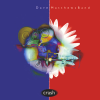
Layla and Other Assorted Love Songs by the British-American blues-rock group Derek and the Dominos

The Musical Personnel
One of the greatest strengths of Layla and Other Assorted Love Songs is the remarkable group of musicians involved in its creation. Each member contributed a distinctive musical personality, resulting in a sound that combined British blues-rock with the feel and spirit of American Southern music.
- Eric Clapton: Lead and rhythm guitar, slide guitar, lead vocals, and songwriting. Clapton supplied the emotional center of the album through his expressive guitar playing and deeply personal lyrics.
- Bobby Whitlock: Piano, organ, keyboards, guitar, percussion, and vocals. Whitlock was an essential creative partner who contributed songwriting, vocal harmonies, keyboard arrangements, and a strong gospel and soul influence.
- Duane Allman: Lead guitar and slide guitar. Allman was a guest musician rather than an official member of Derek and the Dominos. His extraordinary guitar work became one of the defining elements of the album.
- Carl Radle: Bass guitar and percussion. Radle provided a solid, melodic foundation that allowed the guitars and keyboards to move freely around the rhythm section.
- Jim Gordon: Drums and percussion, with piano contributions. Gordon's powerful and highly musical drumming helped establish the album's dynamic blues-rock sound. He also received a co-writing credit on the song "Layla."
The Importance of Duane Allman
One of the most important developments during the recording of the album was the arrival of Duane Allman, the celebrated slide guitarist and co-founder of the Allman Brothers Band.
Allman was already gaining recognition for his extraordinary guitar abilities. He had become an important part of the Southern rock movement and was developing a reputation as one of the finest slide guitarists in American music.
Producer and Atlantic Records engineer Tom Dowd helped bring Clapton and Allman together. Dowd was familiar with Allman's playing through his work with the Allman Brothers Band and other Atlantic recording artists.
When Clapton heard Allman play, he was reportedly so impressed that he invited him to participate in the recording sessions. Allman joined the sessions on August 27, 1970, just one day after the band began recording at Criteria Studios.
The musical partnership between Clapton and Allman was extraordinary. Rather than competing for attention, the two guitarists complemented one another. Clapton often supplied melodic phrases and direct blues-rock passages, while Allman added soaring slide guitar, expressive melodic responses, and a distinctive Southern blues character.
Their guitar interplay is one of the album's greatest achievements. The two musicians seemed to communicate through their instruments, exchanging musical ideas and building arrangements that frequently sound spontaneous and emotionally charged.
Allman's contribution was particularly important on "Layla," "Nobody Knows You When You're Down and Out," "Have You Ever Loved a Woman," "Key to the Highway," and several other tracks.
Although Allman did not become a permanent member of Derek and the Dominos, his participation helped transform the album into something truly exceptional.

The Story Behind the Album
The emotional foundation of Layla and Other Assorted Love Songs is closely connected to Clapton's complicated personal life during the late 1960s and early 1970s.
Clapton had fallen deeply in love with Pattie Boyd, who was married to his close friend and former Beatles guitarist George Harrison.
Clapton's feelings created an intensely difficult emotional situation. He was in love with someone who was unavailable to him, and his affection became a source of considerable personal anguish.
Rather than expressing these feelings publicly through interviews or personal statements, Clapton poured much of his emotional experience into songwriting and music.
The result was an album filled with songs about unrequited love, emotional vulnerability, jealousy, longing, frustration, and the desire to be loved in return.
Although not every song on the album is directly about Boyd, the emotional circumstances surrounding Clapton's relationship provide an important context for understanding the record.
The album's emotional honesty is one of the reasons it continues to resonate with listeners. It is not simply a collection of blues-rock performances; it is an unusually revealing musical portrait of a man experiencing profound emotional turmoil.