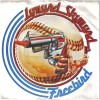
Free Bird by the Band Lynyrd Skynyrd
Was "Free Bird" Written About Duane Allman?
One of the most frequently repeated stories surrounding "Free Bird" is that it was written as a tribute to legendary guitarist Duane Allman of the Allman Brothers Band.
Duane Allman died in a motorcycle accident on October 29, 1971, in Macon, Georgia. His extraordinary guitar playing and influence on Southern rock made him an important figure in the musical world that Lynyrd Skynyrd inhabited.
Some historical accounts have associated "Free Bird" with Allman and describe it as a tribute to his memory. However, the song's origins predate his death, and the band members' accounts also describe it as a love song about independence, relationships, and the desire to move on.
Consequently, the Duane Allman tribute story should be understood as part of the song's history and mythology rather than an established explanation of the original songwriting intention.
The Musical Composition and Arrangement
One of the reasons "Free Bird" is so memorable is its remarkable musical development. Rather than following a conventional rock arrangement, the song gradually builds from a gentle, emotional ballad into an energetic, guitar-driven Southern rock masterpiece.
The composition can be divided into several distinct musical sections:
1. The Piano and Guitar Introduction
The song opens with a beautiful piano passage accompanied by electric guitar and organ textures. The arrangement establishes a reflective, almost melancholy atmosphere. The instrumentation gives the listener a sense of emotional anticipation before Ronnie Van Zant begins singing.
2. The Vocal Ballad Section
Ronnie Van Zant delivers the verses in his distinctive Southern voice. The instrumentation remains relatively restrained, allowing the lyrics and melody to communicate the emotional conflict at the center of the song.
3. The Musical Build-Up
As the song progresses, the guitars, piano, drums, and bass become increasingly prominent. The arrangement grows louder and more powerful, preparing the listener for the instrumental climax.
4. The Extended Guitar Solo
The song eventually transitions into its legendary extended guitar section. Allen Collins and Gary Rossington deliver a series of increasingly intense lead guitar passages, creating an exhilarating musical climax.
The extended ending features fast runs, melodic phrases, blues-inspired playing, sustained notes, and powerful guitar interplay. The instrumental passage is one of the most celebrated examples of extended guitar work in classic rock.
The Legendary Guitar Solo
The defining feature of "Free Bird" is undoubtedly its extended electric guitar solo. The combination of Allen Collins and Gary Rossington created a powerful two-guitar arrangement that became a defining characteristic of Lynyrd Skynyrd's sound.
The solo is famous for its increasing intensity. It begins with melodic guitar phrases and gradually develops into a fast-moving sequence of blues-rock licks, soaring bends, rapid picking, and sustained notes.
Allen Collins is particularly celebrated for his aggressive lead playing and extraordinary speed. Gary Rossington's guitar work provides complementary melodic ideas and rhythmic support.
The extended solo is not simply a technical demonstration. It reinforces the emotional message of the song. The restrained sadness of the opening gives way to a feeling of release, freedom, and unrestrained energy.
The live performances became even more spectacular when guitarist Steve Gaines joined the band in 1976, adding another dimension to the group's already powerful guitar sound.

The Original Recording
"Free Bird" was included on Lynyrd Skynyrd's 1973 debut album, (Pronounced 'Lĕh-'nérd 'Skin-'nérd). The album was produced by musician and producer Al Kooper, who played an important role in bringing the band's distinctive sound to a wider audience.
The album recording runs approximately nine minutes and eight seconds. Its unusually long duration was a concern for record executives who believed that radio stations would be reluctant to play such an extended song.
The band nevertheless insisted on preserving the extended instrumental ending. The original album version became a landmark recording and helped establish the band's reputation for powerful live performances.
The shorter single edit was subsequently released in November 1974, making the song more accessible to commercial radio audiences.