Free Bird by the Band Lynyrd Skynyrd
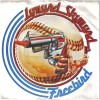
"Free Bird" is one of the most iconic songs in the history of American rock music. Written and performed by the Southern rock band Lynyrd Skynyrd, the song is celebrated for its emotional lyrics, beautiful piano and organ introduction, powerful vocals, and legendary extended electric guitar solo. Originally released in 1973, "Free Bird" became one of the band's signature recordings and an enduring anthem of freedom, independence, love, and the desire to follow one's own path.
Often regarded as one of the greatest guitar-driven rock songs ever recorded, "Free Bird" begins as a reflective ballad and gradually transforms into an explosive instrumental performance featuring some of the most recognizable guitar work in rock history. Its combination of emotional storytelling and Southern rock musicianship helped establish Lynyrd Skynyrd as one of the defining bands of the 1970s.
The History and Origins of "Free Bird"
The origins of "Free Bird" date back to approximately 1970, when Lynyrd Skynyrd was developing its distinctive Southern rock sound in Jacksonville, Florida. The song began with a guitar chord progression created by guitarist Allen Collins. Collins had been working on the musical idea for an extended period, but initially had difficulty developing it into a complete song.
According to guitarist Gary Rossington, Collins repeatedly played the beautiful opening chords during rehearsals. Lead singer Ronnie Van Zant initially struggled to find a melody that worked with the complicated progression. Eventually, Van Zant heard Collins playing the chords again, recognized their potential, and quickly developed the lyrics and vocal melody.
What began as a relatively simple, slow-tempo love song gradually evolved into something much larger. The band experimented with different arrangements, eventually developing the extended instrumental ending that would become the song's defining feature.
The guitar solo grew out of the band's live performances. Gary Rossington developed the chord progression for the instrumental ending, while Allen Collins contributed the soaring lead guitar passages. The musicians continued expanding the ending during concerts, transforming the song into an extended musical showcase.
The Meaning Behind the Song
At its heart, "Free Bird" is about freedom, independence, and the difficult decision to leave someone you love because you feel compelled to follow your own path. The narrator recognizes that he cannot promise a permanent relationship because his personality and ambitions make it difficult for him to remain in one place.
The song explores the conflict between romantic commitment and personal freedom. It describes someone who cares deeply for another person but understands that staying together may prevent him from pursuing the life he believes he is meant to live.
The central idea is that love does not necessarily mean possession or permanent attachment. Sometimes, caring about someone means acknowledging that both people may need different things from life.
The title "Free Bird" represents a person who cannot be confined, controlled, or permanently tied down. Like a bird flying wherever it chooses, the narrator wants the freedom to explore life without restrictions.

Major themes explored in the song include:
- Freedom: The desire to live independently and make personal choices.
- Love: The emotional connection between two people who may ultimately need different futures.
- Independence: The determination to follow one's own dreams and ambitions.
- Separation: The sadness and uncertainty associated with leaving someone behind.
- Self-discovery: The search for personal identity and purpose.
- Mortality and Reflection: The realization that life is uncertain and that people must make their own decisions.