Blackbird by the Band The Beatles
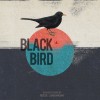
"Blackbird" is one of the most beautiful, memorable, and emotionally meaningful songs recorded by The Beatles. Written primarily by Paul McCartney and officially credited to Lennon-McCartney, the song appeared on the band's landmark 1968 double album The Beatles, commonly known as The White Album.
Although it is a relatively short and musically simple recording, "Blackbird" carries a powerful message of freedom, hope, perseverance, and personal liberation. Beneath its gentle acoustic guitar arrangement lies a deeper connection to the American Civil Rights Movement of the 1960s.
Unlike many Beatles recordings featuring elaborate arrangements and multiple instruments, "Blackbird" is essentially a solo performance by McCartney, who provides the lead vocals and acoustic guitar accompaniment. Its intimacy and simplicity are major reasons the recording has remained so beloved.
The Story Behind the Song
"Blackbird" was written by Paul McCartney in 1968, during a period of tremendous political, cultural, and social change. The American Civil Rights Movement was bringing worldwide attention to racial discrimination, segregation, and the struggle for equal rights.
McCartney has explained that the inspiration for the song came partly from witnessing the racial injustice experienced by African Americans, particularly the struggle of Black students attempting to attend previously segregated schools in the American South.
One particularly important influence was the Little Rock Nine, nine African American students who faced enormous hostility when they attempted to integrate Central High School in Little Rock, Arkansas, in 1957.
McCartney was deeply affected by the images and reports of racial prejudice in the United States. He wanted to write something encouraging that could communicate hope to people experiencing discrimination and oppression.
Rather than writing a directly political song, he chose the image of a blackbird struggling to fly. The bird became a symbolic representation of someone overcoming adversity and finding the strength to rise above difficult circumstances.
McCartney later explained that he had a Black woman in mind when writing the song. The bird imagery provided a subtle, poetic way to communicate his message without making the song overly specific.
The result was a song that could speak to the Civil Rights Movement while also carrying a universal message for anyone struggling to overcome hardship.
Paul McCartney's Explanation of the Meaning
In later interviews, McCartney repeatedly discussed the connection between "Blackbird" and the Civil Rights Movement. He described the song as an expression of encouragement to Black Americans who were experiencing racial discrimination.
He explained that the image of a bird with broken wings represented people who had been held back by circumstances beyond their control but still possessed the ability to overcome those obstacles.

The song's message was essentially one of hope: despite the difficulties of the present, freedom and a better future were possible.
McCartney also appreciated the fact that the symbolism allowed listeners to interpret the song in their own way. Although its original inspiration was connected to racial equality, its message could apply to many different personal struggles.
The Meaning of the Title
The title "Blackbird" works on two levels. On the surface, it refers to an ordinary blackbird, a familiar singing bird. Symbolically, however, it represents a person who has experienced discrimination, oppression, or hardship and is trying to find freedom.
The blackbird becomes a symbol of courage and resilience. Its eventual flight represents the possibility of overcoming limitations and discovering a new beginning.
This double meaning gives the song much of its emotional power. It sounds like a gentle observation of nature, but its underlying message is about human dignity, equality, and liberation.