Astral Weeks by the Artist Van Morrison
The Influence of Jazz and Folk Music
One of the reasons "Astral Weeks" sounds so different from other recordings of the late 1960s is its unusual combination of musical influences. At its foundation, the song contains the intimacy and storytelling traditions of folk music, but its instrumental arrangement draws heavily upon jazz musicianship.
Jazz influence is particularly apparent in the freedom given to the instrumentalists. The musicians are not simply providing background accompaniment; they are actively participating in the development of the composition. Their contributions create a fluid musical environment in which melodic ideas and rhythmic patterns seem to evolve naturally.
The folk influence is evident in Morrison's acoustic guitar, his emphasis on poetic songwriting, and the personal nature of his vocal performance. The combination of these elements creates something that does not fit comfortably into any single musical category.
The result is a recording that feels simultaneously ancient and modern, intimate and expansive, structured and spontaneous.
The Recording Sessions
The recording sessions for Astral Weeks took place at Century Sound Studios in New York City during September and October 1968. Producer Lewis Merenstein assembled an experienced group of jazz musicians to accompany Morrison's compositions.
The album was recorded primarily during two principal sessions, September 25 and October 15, 1968. The musicians were given the opportunity to respond to the songs through their own musical instincts, creating arrangements that differed considerably from the conventional recording practices of mainstream rock and pop music.
The musicians were not necessarily familiar with Morrison's work before the sessions. Their backgrounds in jazz and studio performance, however, provided them with the ability to interpret unfamiliar material and develop instrumental arrangements with considerable freedom.
The recording process helped create the album's remarkable sense of immediacy. The performances retain a natural, organic quality that makes the music feel more like a living musical event than a heavily constructed studio production.
Morrison later expressed reservations about certain aspects of the album's production and arrangements, but the resulting recordings have become celebrated for their unusual musical chemistry.
The Album: Astral Weeks
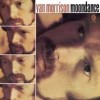
Released in November 1968, Astral Weeks was Van Morrison's second solo studio album and represented a dramatic artistic departure from his earlier commercial recordings. It contains eight compositions, each contributing to a larger musical and emotional experience.
The album is frequently considered a unified work rather than simply a collection of individual songs. Its compositions share recurring themes of memory, transformation, longing, innocence, and spiritual searching.
The complete original album track listing is as follows:
- Side One:
- Astral Weeks
- Beside You
- Sweet Thing
- Cyprus Avenue
- Side Two:
- The Way Young Lovers Do
- Madame George
- Ballerina
- Slim Slow Slider
Each composition possesses its own personality, but together they form a remarkable artistic statement. The album moves between delicate acoustic passages, expansive jazz-influenced arrangements, emotionally intense vocal performances, and extended musical explorations.
The title track establishes the atmosphere for everything that follows. Its unusual combination of musical freedom and lyrical mystery immediately signals that the listener is entering a different kind of musical experience.

Critical Reception and Initial Commercial Performance
When Astral Weeks was first released, it did not achieve the immediate commercial success that might have been expected from an artist who had recently enjoyed a major hit with "Brown Eyed Girl." Its unconventional sound and extended compositions were considerably removed from mainstream pop music.
Nevertheless, the album gradually attracted the attention of critics, musicians, and serious music enthusiasts. Its originality, emotional depth, and remarkable instrumental performances established a reputation that grew considerably over the following decades.
The album eventually became recognized as one of the most important recordings in popular music history. Its influence can be heard in the work of numerous singer-songwriters and musicians who explored the possibilities of combining poetic songwriting with unconventional arrangements and extended musical structures.
The recording's reputation continued to grow as successive generations discovered its unusual beauty and artistic ambition.